
Contact Us
RIC Development, LLC
17 State Street, Suite 2320 New York NY 10004
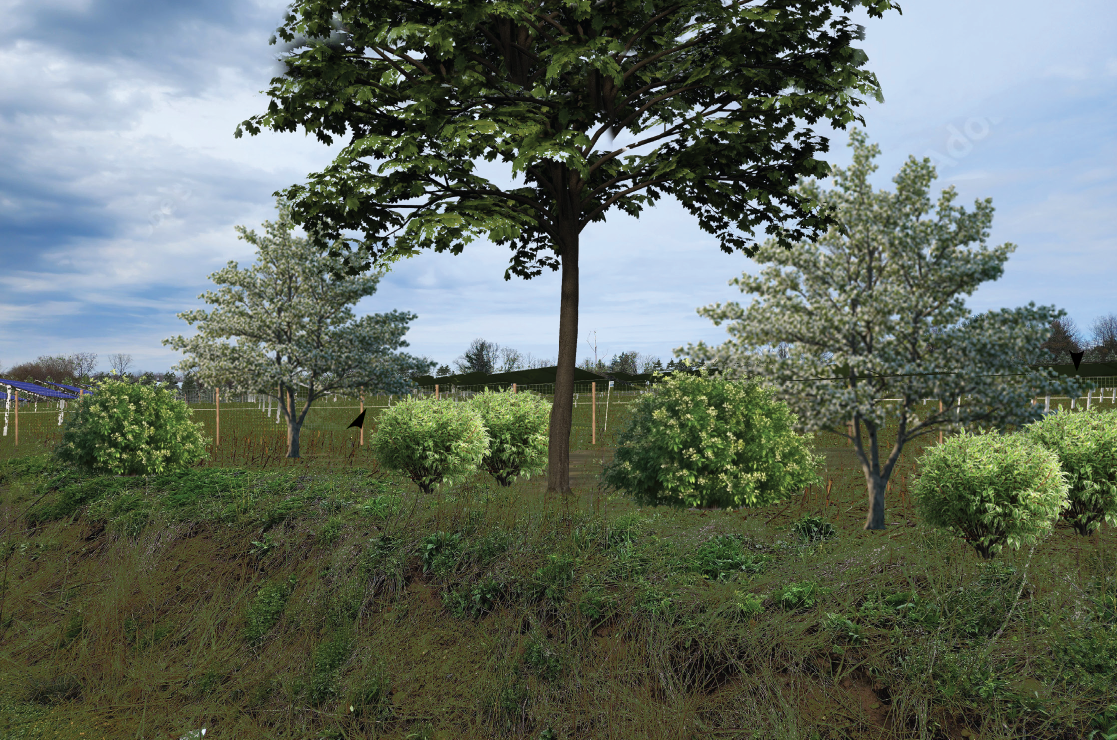
This project is set far back on the parcel and will have diverse, evergreen landscaping to further separate the view of the Project. The natural terrain and vegetation plus the proposed diverse evergreen landscaping will screen most of the project from view of public gathering places. A Visual Impact Assessment (VIA) report analyzes the visibility of the project from roadways, adjacent properties, and publicly accessible locations. Evergreen landscape buffer plantings are proposed in areas of project visibility, and photo simulations of pre-construction and post-construction conditions have been prepared.
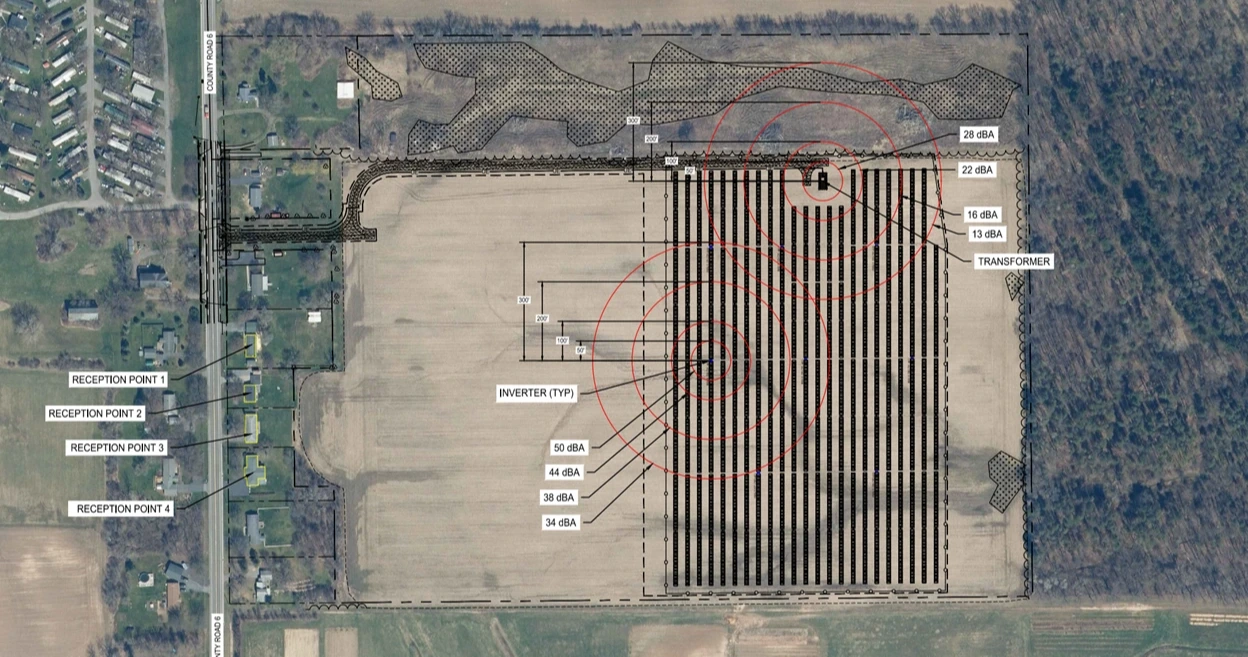
The Project area was subjected to a Noise Impact Analysis to determine the decibel levels at given distances from the Project equipment. The results of the Noise Impact Analysis indicate the sound from the site is considered very quiet to faint at very quiet at all four (4) of the Reception Points. The equivalent sound level heard at each of these Reception Points could be categorized as a quiet library, soft whisper (15 feet).
As exhibited in the Project Site Plans, the Project proposes vegetative screening along the western edge of the solar array, which will further dampen (reduce) the project's acoustics from neighboring properties, beyond the results of the study. Given the distance of equipment from reception points (residences) and the proposed vegetative buffers, acoustic impacts to neighboring properties are non-significant, and no further analysis is required.


The tentative construction schedule assumes that mobilization and construction would commence 2-4 weeks after a building permit is approved. The expected overall timeline for construction and commissioning is approximately 18-20 weeks.
Construction is generally divided into several phases:


The solar array, inverters, transformers, and all safety systems are fully automated and remotely monitored 24/7 through an electronic system and do not require constant on-site supervision or manual operation. As described below, the Project requires only periodic inspections, servicing, and maintenance, conducted by dedicated crews, per schedule or as needed.
Beyond the construction period, the Project requires very minimal on-site personnel. Regularly occurring management operations include landscaping (mowing and vegetation management) and annual inspections of the mechanical and electric installations and equipment. All these operations are performed by small crews and do not generate notable noise or traffic that is uncommon for an agricultural-residential or residential neighborhood.
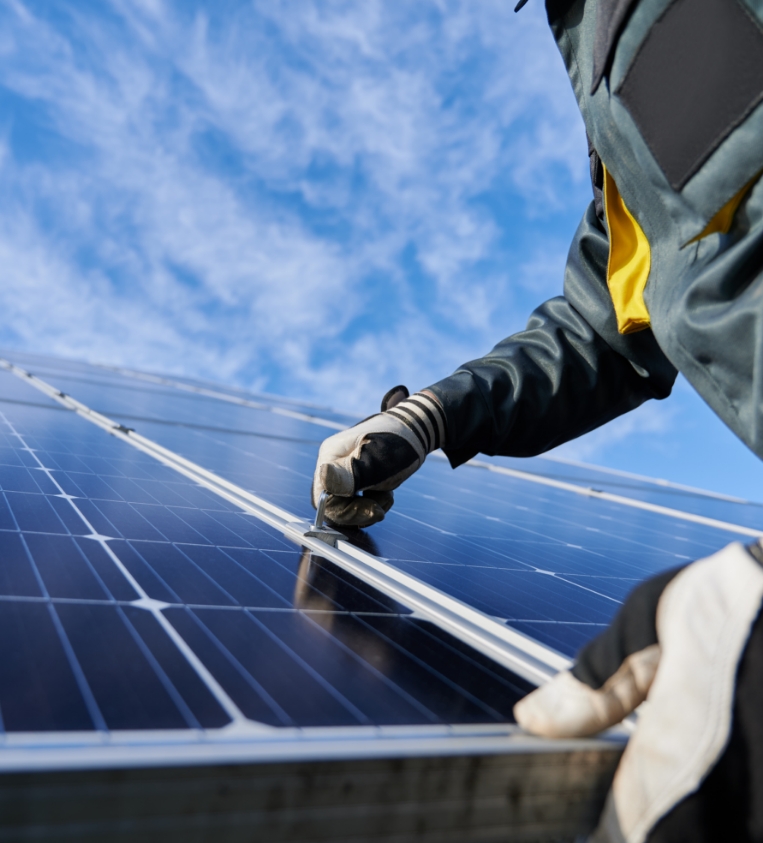

Solar panels available on the market today are typically designed to last for at least 25 - 30 years and the Project will continually maintain the solar arrays and related equipment for the life of the Project. At the end of their useful life, the Project may be renewed or they may permanently cease operations, at which time the Project removal plan (approved by the Town of Geneva) will be implemented to remove, reuse, and/or recycle equipment and related materials to return the Project area to its pre-construction condition so that it is available for agriculture and other open space usages as determined by the landowner at that time.
The removal of the Project is, in many ways, the reverse of its construction. Much of the same equipment that was used in the construction of the Project, such as trucks and backhoes, will again be used in the removal of the components. Steel, cable, and concrete will be removed and transported off-site for recycling and/or disposal at approved facilities. Licensed off-site disposal facilities will be identified at that time, as the availability of facilities is likely to change in the decades during the Project’s useful life. The removal of the facility and the site restoration are guaranteed through a bond, whereby the Town of Geneva is the beneficiary. It is also important to mention that it is in the interest of the Project to recycle the bulk of the materials and equipment, which are projected to have a higher salvage value than the total cost of the removal and restoration.